
Teatro La Fenice
- theatre
- Price: €8 - €14
- Opening hours: 09:30 - 18:00 (self-guided visits, subject to performance schedule)
History
La Fenice takes its name — Italian for "the phoenix," the mythical bird reborn from its own ashes — from the circumstances of its own founding: after the company that had long run Venice's Teatro San Benedetto lost the rights to that stage, it commissioned an entirely new theatre to rise from the setback, and held a competition in 1789 for its design. Architect Gianantonio Selva won with a neoclassical plan, and the new house opened in 1792, its name a deliberate statement of resilience before a single note had been sung there.
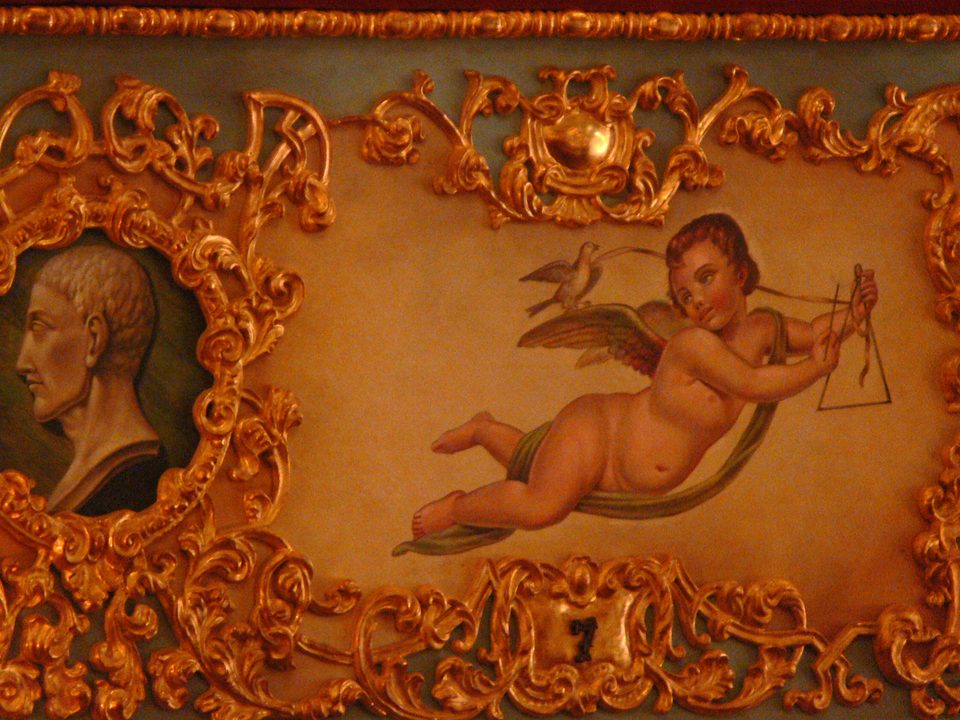
The name proved prophetic rather sooner than anyone would have wished: a faulty stove burned the theatre's interior to nothing in December 1836. The Meduna brothers, Tommaso and Giovanni Battista, rebuilt it within a single year, and the lavishly gilded, red-velvet auditorium that reopened in 1837 established the look La Fenice is still known for today.
Did you know?
Few opera houses anywhere can claim a premiere history like La Fenice's: Rossini's "Tancredi" had its first performance here in 1813, Bellini's "I Capuleti e i Montecchi" followed in 1830, and Verdi gave the world both "Rigoletto" in 1851 and "La Traviata" in 1853 on this same stage — a run of premieres spanning the entire golden age of Italian bel canto opera.
The theatre lived up to its phoenix name a second, far more painful time on the night of 29 January 1996, when fire gutted the building again — this time started deliberately, in a case that led to criminal convictions after investigators found the blaze had been set to delay contractual penalties on overdue restoration work. Architect Aldo Rossi oversaw yet another "com'era, dov'era" reconstruction, and La Fenice reopened on 14 December 2003 with a concert conducted by Riccardo Muti, followed soon after by a new production of, fittingly, "La Traviata."
Maria Callas at La Fenice
No singer is more closely tied to La Fenice's 20th-century history than Maria Callas, who made her debut here in 1947 at just 24 years old, singing Isolde in Wagner's "Tristan und Isolde." She returned the following January to sing Turandot for the first time in her career on this same stage.
Her most consequential night in Venice came in January 1949: having sung her first Brünnhilde in Wagner's "Die Walküre" only eleven days earlier, Callas stepped in on almost no notice to replace an indisposed colleague as the coloratura heroine Elvira in Bellini's "I Puritani" — a role demanding an entirely different kind of voice. The feat convinced critics of a versatility almost without precedent and helped launch her international career; she continued to appear at La Fenice through 1954.
Good to know
When no performance is scheduled, La Fenice opens for self-guided visits with an audio tour that takes in the auditorium, the grand foyers, and a small exhibition dedicated to Maria Callas and her years on this stage.
Tickets with the audio guide are worth booking online ahead of time, since opening hours shrink or the theatre closes entirely around rehearsals and performances; check the current schedule before planning your visit, and arrive early to enjoy the foyers without a crowd.